
Toronto’s tap water is treated, tested and safe to drink, so most homes do not need a filter for safety. People filter it for taste, chlorine, scale or older plumbing. This guide shows what is in the water, which problems a filter actually solves, and which type fits each one.
Do You Need a Water Filter in Toronto? Quick Answer by Problem
Match what you notice at home to the fix:
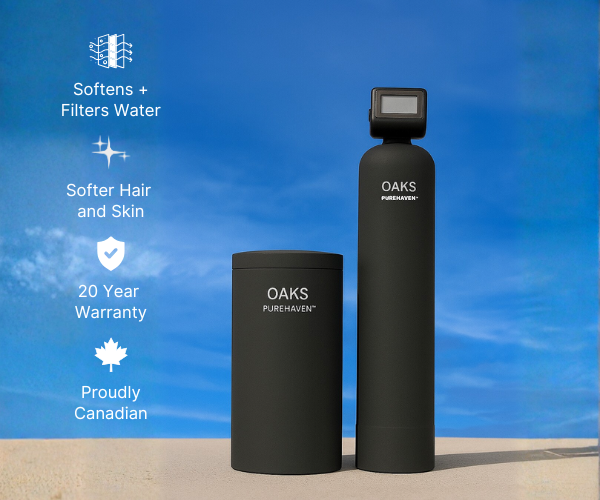
- Chlorine taste or smell at the tap, or in the shower: a whole house water filtration system treats water where it enters your home, so every tap and shower is covered.
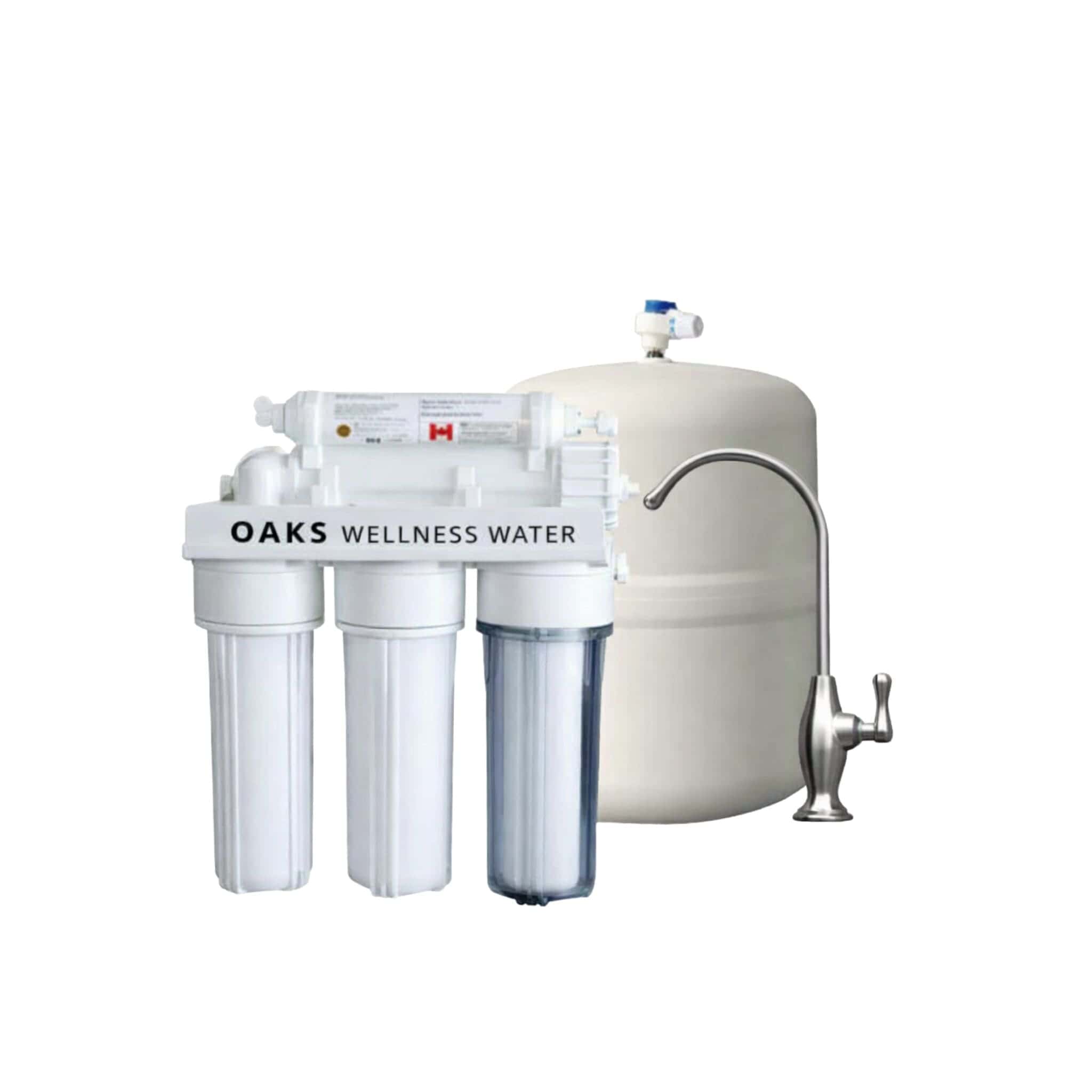
- Better drinking and cooking water, or lead concerns in an older home: an under-sink reverse osmosis system treats the water you drink and cook with. Comparing models? See our guide to the best RO systems in Toronto.
- White scale on kettles, faucets or shower glass: a water softener reduces the hardness minerals behind scale, so scale stops building up on fixtures and appliances.
- None of the above: you can drink the tap water as it is. Details on each point follow.
Is Toronto Tap Water Safe to Drink?
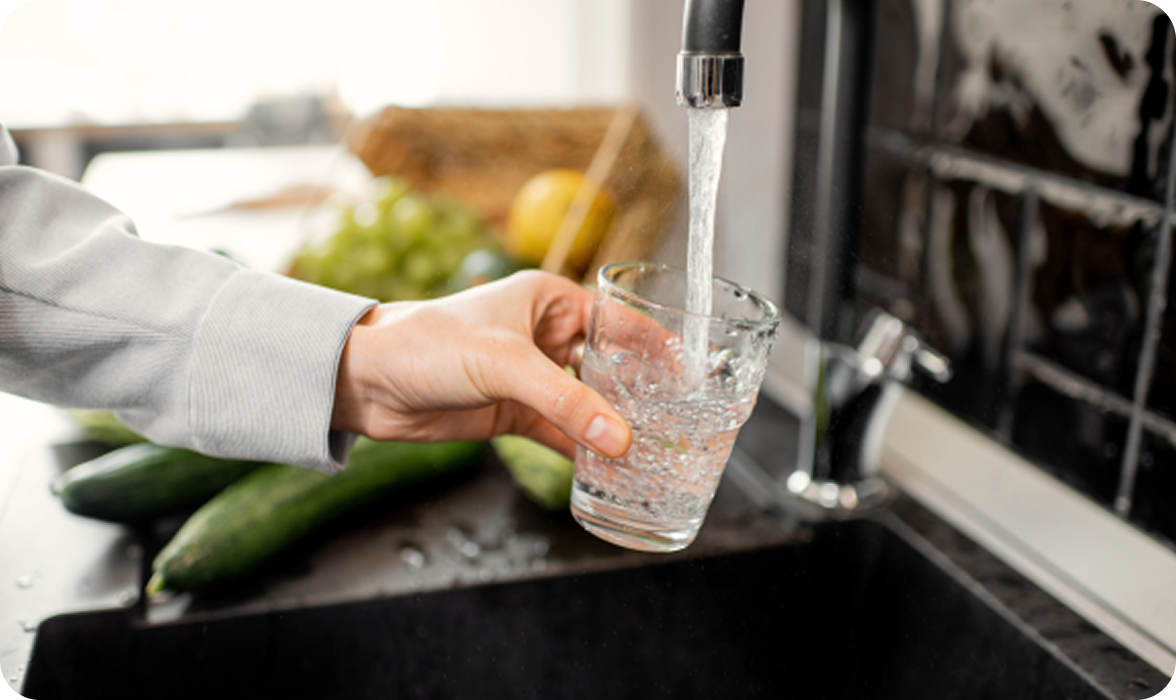
Yes. Toronto’s water comes from Lake Ontario, drawn through intake pipes between one and five kilometres from shore, and treated at four water treatment plants that process more than one billion litres a day, according to the City of Toronto.
Treatment works in stages. Initial disinfection uses chlorine or ozone, filtration removes particles, and chlorine is added before distribution to keep the water protected on its way to your tap. The City also adds ammonia to maintain chlorine levels in the pipes, and fluoride to reduce the risk of tooth decay.
The water leaving the plants contains no lead. Most of the reasons people filter, like lead from old pipes and scale, start after the water reaches your building. Chlorine taste is the exception, since it is added during treatment.
Chlorine in Toronto Tap Water: Taste, Smell and How to Remove It
Chlorine is the most common reason people notice a taste or smell. It is added on purpose to destroy bacteria and viruses, so the goal is not to avoid it, only to remove it where it bothers you.
Why your water tastes or smells like chlorine
Chlorine levels have to stay high enough to protect the water all the way through the city’s pipes. Warm water and showers release the smell more strongly, which is why many people notice it most in the bathroom.
Musty or earthy taste in late summer
A different taste can appear in late summer or early fall. The City says it is caused by naturally occurring algae and high water temperatures in Lake Ontario, and that the water remains safe to drink. Chilling water in a pitcher in the fridge helps.
How to remove chlorine from tap water
- Chill it overnight: the City’s own tip. Free, and fine for a jug in the fridge.
- Pitcher or faucet filter: reduces chlorine taste and odour, but filters small volumes and the cartridge needs regular changing.
- Under-sink filter or RO system: treats the drinking and cooking tap.
- Whole house filter: treats water where it enters the home, so showers, laundry and every tap get filtered water. This is the option for chlorine in the shower.
Is Toronto Water Hard or Soft?
The City describes Toronto’s water as having relatively low levels of calcium and magnesium, and says hardness is not a concern for most homeowners and that water softeners are usually not needed.
Your own home is the better test. White scale on kettles, faucets and shower glass, spotted dishes, or a water heater that scales up, point to hardness affecting your plumbing. In that case a water softener removes the hardness minerals before they reach your pipes, water heater and appliances.
Lead in Older Toronto Homes
Lead does not come from the treatment plants. The City says it is most often found in homes built before the mid-1950s, in solder used before 1990, in leaded-brass fixtures and in older in-home plumbing. The City also adds phosphate to form a protective coating inside metal pipes, which reduces the chance of lead entering your water.
If your home is older, check your service pipe and plumbing, and consider testing your water. A certified reverse osmosis system is one way to reduce lead at the drinking tap.
Fluoride in Toronto Tap Water
The City adds fluoride to reduce the risk of tooth decay, within limits set under Ontario’s Safe Drinking Water Act.
If you prefer to reduce it, the filter type matters. A reverse osmosis system reduces fluoride, while most pitcher and carbon filters do not.
When You Don’t Need a Water Filter in Toronto
You can skip a filter if:
- You are happy with the taste and smell of your tap water.
- Your home is not old enough to have lead pipes or lead solder.
- You do not see scale on your kettle, faucets or shower glass.
As the City notes, the water is safe to drink as it comes out of the tap. For taste alone, a fridge pitcher is a low-cost option.
Do I Need a Water Filter in Toronto? When It Makes Sense
A filter is worth considering when:
- The taste or smell bothers you: chlorine is the usual cause, and an under-sink or whole house filter removes it.
- You live in an older home: homes built before the mid-1950s and solder used before 1990 are the main lead sources.
- You shower and bathe in chlorinated water daily: a whole house system treats every tap and shower.
- You want better-tasting water for drinks and cooking: a point-of-use reverse osmosis system treats the water you drink, cook with and use for coffee, tea or baby formula.
- You see scale: a water softener treats the hardness minerals that cause it.
Conclusion
Toronto’s tap water is safe, so a filter is a choice about taste, chlorine and your home’s plumbing, not about safety. Pick the fix that matches what you notice: filtration for chlorine, reverse osmosis for drinking water, a softener for scale.
Not sure which fits your home? Talk to the Oaks team and we will help you choose.